 Russian
 -

Surviving the Amazon: It’s Not a Trip, It’s an Interview
The Amazon: Less of a journey, more of a job interview
Conquering the Amazon starts with one small mistake: thinking it's a trip. The Amazon thinks it’s an interview. One you showed up to without a résumé, without references, and wearing white sneakers.
People say the jungle only accepts the strong. That’s not true. It welcomes everyone. But then it watches carefully to see who actually is strong.
A green sea that humbles your confidence
We arrived where the air is thick enough to slice and spread on toast. It’s warm, wet, and immediately informs you: you’ll breathe on a schedule and sweat without one. The Amazon greets you like a mother-in-law who’s already disappointed.
Locals call it the green sea. I’d call it a recycling center for overconfident people. Everything either stings, bites, or gives you a look that makes you question your whole existence.
We were told: don’t leave the trail.
The trail, however, disappears every 15 minutes out of spite. The compass spins like a politician near elections. GPS assumes you’re dead.
At first, you’re a hero
After an hour—a philosopher. After two—a religious convert. After three—you’ll sign a contract with any deity, including minor pagan ones, if it means the biting stops.
The mosquitoes are not insects, they’re a culture
With structure, strategy, and a clear dislike for outsiders. They land in groups, hold meetings, then begin the attack. You can feel them checking boxes: neck? check. ankles? check. self-worth? gone.
At night, the jungle turns the sound on
All of it. It hisses, clicks, laughs, and shrieks. Especially laughs. You lie in a hammock—clearly designed by someone who’s never slept in one—and realize: if something falls on you, it’s not an accident. It’s scheduled.
The river is the scariest
It looks like water. But it’s a mix of swamp, soup, and conspiracy. You can swim. Once. The Amazon will remember.
We rode a boat with an engine that only started if ignored. The captain was calm—the kind of calm you earn by either controlling everything or giving up entirely. He said: If anything happens, the river will carry us. Where? He didn’t say.
You don’t conquer the Amazon. You negotiate with it.
Eventually, clarity arrives. You don’t conquer the Amazon. You negotiate. Quietly. No sudden moves. No plans.
She watches you fall, get back up, and in the end says: Fine, live. But know this—I saw who you really are.
When we got out, people asked about heroics. I told the truth: I survived.
That was enough for the Amazon. And for me too.
-
Switzerland: Where Silence Feels Like Cashmere
Switzerland: Where neutrality feels like a superpower
As a kid, I thought “neutrality” was a type of weapon—like a very polite missile. One that doesn’t fly anywhere, doesn’t explode, just lies back, stares at the Alps, and radiates quiet confidence: I could, but I won’t.
— Switzerland doesn’t go to war.
I asked:
— Not even with the Germans?
— Not even with the Germans.
And just like that, Switzerland was filed under “mythical creatures”—somewhere between Bigfoot and a competent city inspector.
The cows are accountants, and so are the trains
When I finally visited Switzerland, I couldn’t believe my eyes. The mountains stand like they were arranged by someone with an engineering degree and a touch of OCD. The lakes are still, like candy displays. Even the cows walk with the dignity of someone who just passed an interview for CFO.
The silence is real—dense, like a luxury blanket. I sneezed at a gas station and immediately apologized. To the houses. To the Alps. To some inner Swiss voice that suddenly awoke inside me.
Trains run on time
You glance at a Swiss watch—also perfectly on time—and the train is already exactly where it should be. Not early, not late. In Russia, trains are philosophers. In Italy, moody divas. In Switzerland, they’re accountants. Or possibly cows.
Clean streets, quiet voices, and the cult of sorting trash
I stayed in a small town where the streets were so clean, you feel the urge to wash your shoes before stepping out. Or maybe even your head. Trash sorting feels like a spiritual practice. Putting plastic in the wrong bin? Feels like confessing to espionage.
People speak quietly. Even the kids. Dogs bark like they’re paying by the decibel. If a Swiss person raises their voice, something serious has happened—someone crossed the road outside the zebra crossing. There’s still time to save the world, but barely.
Food is humble and clear
Fondue. Potatoes with cheese. Cheese with potatoes. Cheese with cheese. You start to suspect potatoes exist only as edible trays. As a child, I believed Swiss people drilled the holes into cheese after making it. Honestly, how else are they so perfect?
Where calm is a lifestyle and order is power
Swiss banks look more stable than most marriages. You feel like walking in and saying:
— Can you keep my anxiety for a while?
They probably would. With interest.They say Switzerland was surrounded by enemies in wartime
Now I get it—no one dared attack. Imagine charging in, and a calm man looks up and says:
— Sorry, it’s lunchtime. Care to join us?
And suddenly there’s fondue, a weather chat, and it feels rude to start shooting.If heaven exists, it probably looks like this
Not a party, but pure order. You wake up, know where your things are, where your job is, where the lake and the cows are. Nothing rubs, nothing screams. And even eternity would probably arrive… right on schedule.
-
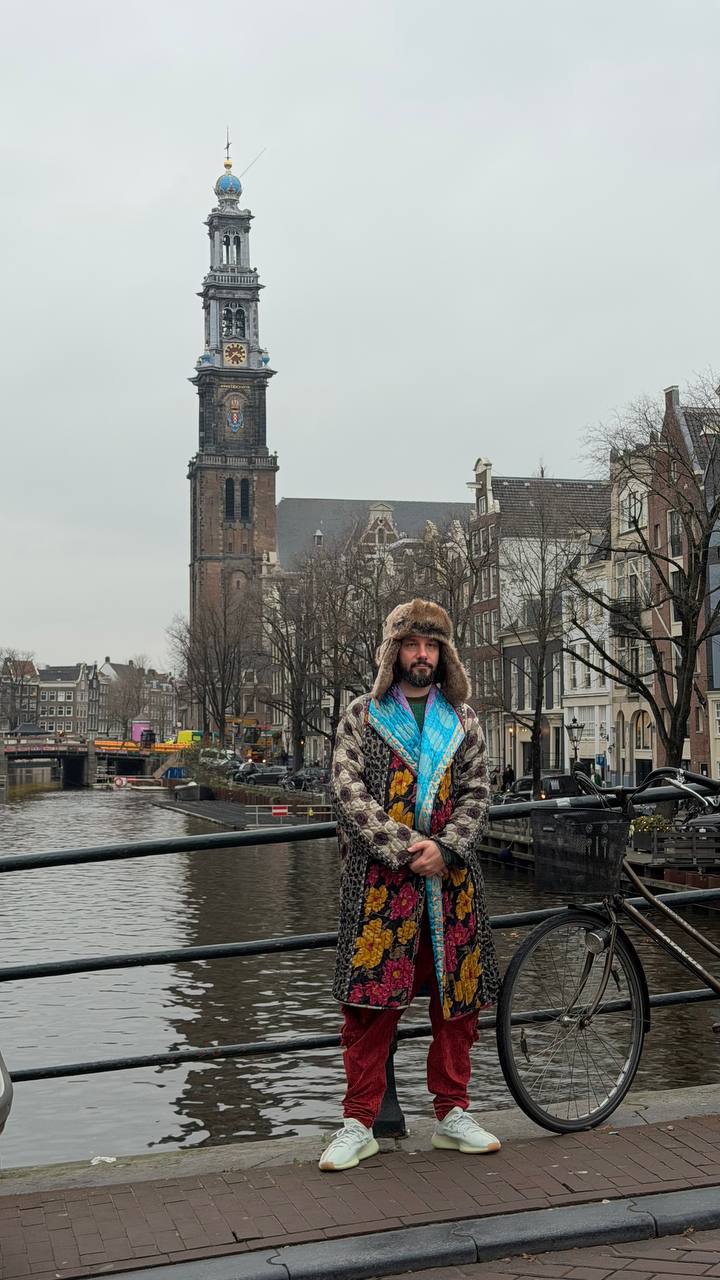
If Cities Could Summarize Their 2025
If Cities Gave a 2025 Year-in-Review
Berlin
Looked chaotic, called it culture. Opened 47 concept spaces, closed 48.Paris
Spent the year slightly disappointed in people, deeply in love with itself. Never apologized. Croissants remained reliably good.London
Said interesting 12 million times—never meaning it in a good way. Still charging for everything, especially things that don’t work.New York
Worked non-stop. Proud of it. Burned out slightly but considers it on-brand. Pumpkin spice lattes got more expensive, which feels correct.Dubai
Bought another skyscraper—just because it could.Tbilisi
Once again welcomed everyone, fed them, poured wine, and pretended nothing unusual was happening.Barcelona
Planned to work. Didn’t. Launched another startup that’s just about to blow up.Amsterdam
Stayed quiet, calm, followed the rules—and still ended up the weirdest in the room.Rio de Janeiro
Meant to tidy up. Threw a carnival instead.So, which city was your favorite in 2025?
-
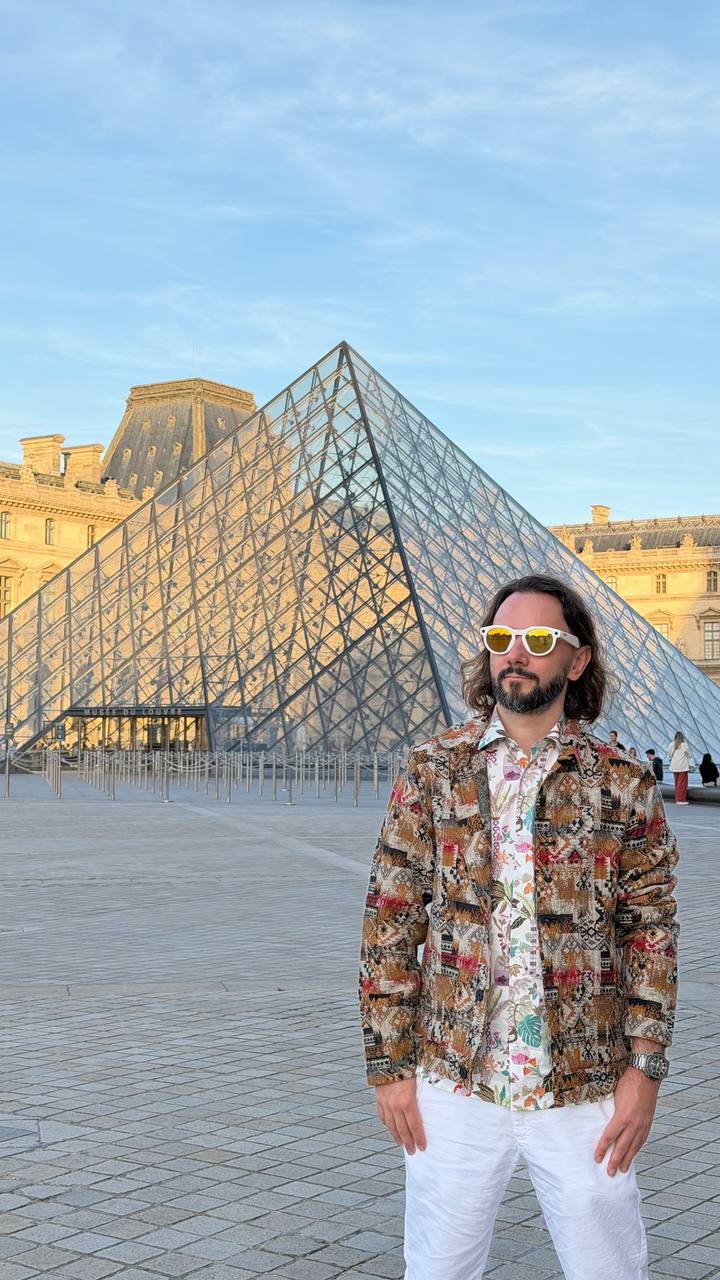
The Best Way to Feel a New City
Don’t start your journey at the postcard spot
The best thing you can do in a new city is not to step out of the cab at the cathedral—but in a regular, everyday neighborhood.
Find yourself among residential buildings, corner shops, noisy intersections, and people just going about their day. Then start walking, with no destination in mind.
The city speaks in details, glances, and warm bread
Grab a coffee in a tiny café where an old man flips through his morning paper and knows everyone by name.
Catch the barista’s eye. Ask how they’re doing, where they’re from, how long they’ve worked here. These tiny conversations often tell you more about the place than any travel guide—or ChatGPT.
Listen to the street
What are neighbors chatting about by their doors? What are teens arguing over on the corner? What makes people laugh, complain, worry? Every city has a rhythm, and it’s clearest in places far from the tourist trail.
Real atmosphere lives in the unnoticed
Just walk. Let yourself get a little lost. Look at signs no one photographs, notice laundry hanging from balconies, breathe in the scent of fresh bread from a local bakery, feel how different a morning can be from country to country.
No landmark can compete with the quiet magic of watching people live their regular lives—in all the corners of the world.
-
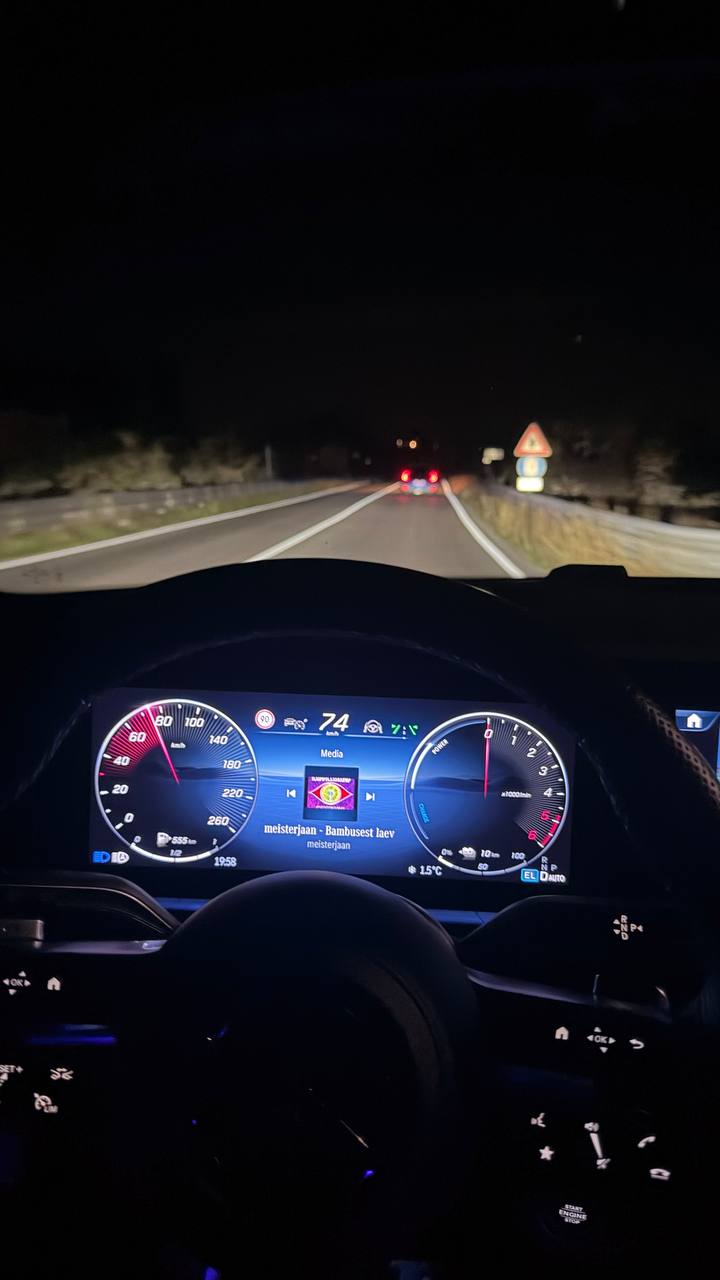
How Robotaxis Are Already Reshaping Cities
Robotaxis are already changing how cities and people move
The Economist recently published a fascinating article about how self-driving vehicles are already transforming city economies and travel behavior.
For me, this is almost personal. I clock over 100,000 kilometers a year, and I’m waiting for a decent autopilot system more eagerly than my kids wait for Santa.
Imagine future road trips: switch on the robot for boring highways, and take the wheel only when the road becomes pure pleasure—winding mountain passes or off-road trails where autopilots will still struggle for years.
Where robotaxis already drive—and what's coming next
In pilot cities, there are more of these vehicles than you'd think.
In San Francisco, they account for around 10% of rides. Los Angeles and Phoenix are catching up quickly. Waymo—Google’s self-driving car project—isn’t profitable yet, but most of the costs are R&D. Once the tech goes mainstream, the cost per ride will drop more sharply than we can imagine. That’s when things will really start to shift.
The silent disappearance of old professions
The taxi driver profession is clearly on its way out. Robots don’t need breaks, weekends, or paid leave. But it won’t stop there. Fewer accidents means fewer jobs for lawyers and insurance agents who've built careers around traffic collisions. It’s already visible in the stats.
Say goodbye to parking lots and traffic fines
Parking? Also doomed. Why park when your self-driving car can just leave the city center—or circle the block while you sip coffee? Vast parking zones can be repurposed into homes, offices, or, if we’re lucky, parks.
New habits, new chaos, and a shift in behavior
People’s habits are shifting too. Office workers might start moving to the suburbs—after all, you can work on a laptop from the backseat of a robotaxi. Pedestrians might stop checking for cars before crossing: the robot will stop. In San Francisco, human drivers are already cutting off autonomous cars more aggressively—after all, the AI always yields.
Cities will lose revenue from traffic fines, and specialized lawyers and insurers might disappear right after taxi drivers.
Driving licenses for the few, by passion
It’s quite possible that within a decade, getting a driver’s license will be harder than getting a pilot’s license. Only true enthusiasts will bother. Which is actually great: it’ll just be me and the robots out on the road.
-
Portugal Tightens Immigration Rules in 2025
Portugal’s Immigration Policy Is Shifting — What You Need to Know
Portugal is tightening its immigration rules. "The time of irresponsible immigration is over," said Minister António Leitão Amaro during a recent address to Parliament.
A new law now restricts job-seeker visas to highly qualified professionals. Family reunification has become more complicated — longer waiting times and consular processing are now required.
A Broader European Shift Towards Stricter Immigration
These changes are part of a growing European trend: stricter laws, greater emphasis on national interests, and tighter control. For migrants, this means more uncertainty and a longer road to citizenship.
How to Adjust Your Relocation Strategy Now
What should you do about it?
Don’t rely on just one country’s rules. What’s liberal today might change tomorrow. Instead, build a diversified strategy: alternative residency options, flexible immigration and tax planning, and act fast in countries where the window of opportunity is still open.Thinking about relocating? Don’t delay.
Want to map out your path to citizenship? Drop me a message.
-
ChatGPT Turns Into a Shopping Assistant
ChatGPT Just Became a Shopping Platform
I tried it — and yes, you can now confidently shop directly from the chat interface. For now, it only works in the U.S. and only with Shopify and Etsy, but this future is rolling out fast.
How Buying Through ChatGPT Works
Ask something like “What’s a good gift for my grandma?” and you’ll instantly see a curated selection of products, a buy button, and a familiar Stripe checkout. Pay with your card, and wait for your delivery.
Who Handles Delivery and Support?
The seller takes care of shipping and customer service. ChatGPT just shows the products and handles the payment process. No more endless scrolling through store listings — the AI already did the research and picked the best options.
What Comes Next? Proactive AI Shopping
Here’s what might be coming:
Picked a movie for tonight? Want me to order a gluten-free pizza for the whole family?
I see you're out of matching socks — delivery in 10 minutes.
Your dog is barking? She probably wants turkey-flavored kibble. I’ve ordered a premium pack from a sponsored brand.
How was your Tinder date yesterday? I sent flowers — here’s a photo.
Are you ready to delegate your shopping to AI?
-
MIT Study: AI Use May Harm Thinking Skills
British Scientists Confirm: AI Might Be Making Us Dumber
MIT Media Lab just released a 200-page study exploring how large language models (LLMs) like ChatGPT affect the human brain.
Spoiler: it’s not good news.Inside the Experiment: Essays, EEGs, and Chocolate
Researchers asked three groups of students to write essays:
One used ChatGPT, the second used Google,
The third went old-school—with just chocolate (and cheat sheets, though that part didn’t make the paper).While they wrote, researchers monitored their brain activity using EEG.
The Findings: Less Effort, Less Thinking
Brains worked less when students had AI assistance. Those using ChatGPT showed the lowest brain engagement.
The results? Boring, generic essays—and students couldn’t even recall what they wrote. Worse, they felt less satisfied with their work—an early warning sign of AI-induced burnout or depression.MIT’s Warning: AI Undermines Independent Thinking
AI makes knowledge more accessible, but at the cost of deeper cognitive effort. Students using LLMs showed signs of weaker memory, reduced critical thinking, and overall dependence on external tools.
AI doesn’t make you smarter—it makes you less capable of learning.
Do you use AI in your studies or work? Have you noticed a shift in how you think?
In the next post, I’ll show you how I build custom AI bots in five minutes using just voice notes.
-
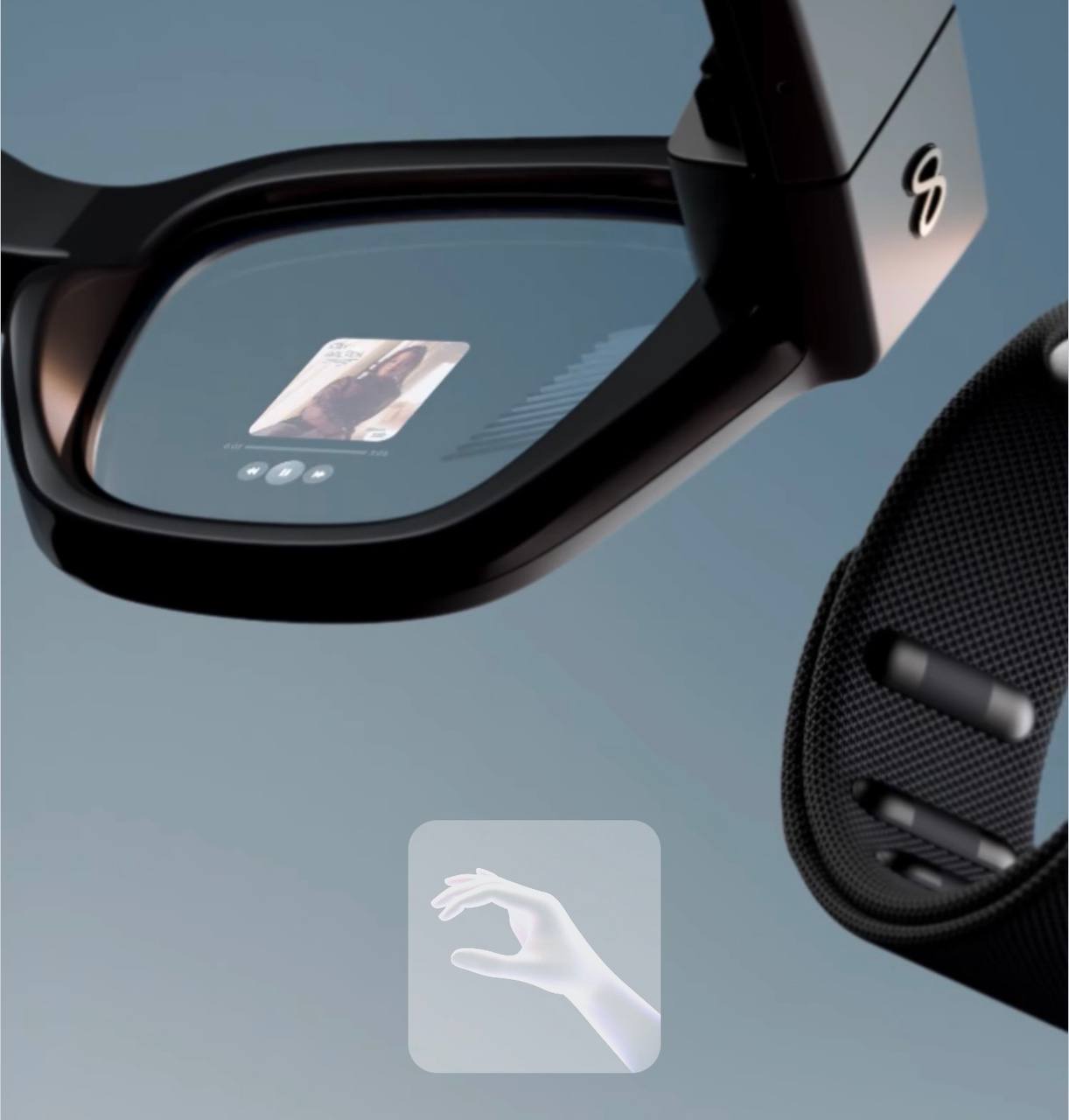
Meta Ray-Ban Display: Smart Glasses with AR and Gesture Control
Meta Ray-Ban Display: The future of eyewear is here
The first tech enthusiasts got their hands on the new Meta Ray-Ban Display — and were blown away.
On the outside, they look like classic Ray-Bans.
But hidden inside the lens is a tiny display that shows messages, maps, translations, photo and video previews — all without pulling out your phone.Like sci-fi brought to life: What these glasses can do
The feature set feels like something out of science fiction: real-time subtitles and translations, video calls directly in the lens, step-by-step navigation, and smart prompts powered by AI.
Neural Band: Control with a pinch, even behind your back
The secret weapon is the Neural Band — a bracelet that reads your muscle signals. You control the glasses with gestures: a pinch to select, a double pinch to open the menu. You can even do it with your hand behind your back. Stealth mode, activated.
Battery life, camera, and price
The glasses last around six hours on a single charge, and up to 30 hours with the case. The 12MP camera takes solid photos and videos. The display is bright enough for you, yet nearly invisible to everyone else.
All this for just $799. Tempted?
-
Why Revolut Hired a French Banking Veteran
Company stories often feel like Hollywood plots
Revolut started as a challenger to traditional banks. Now it's hiring Frédéric Oudéa — the man who led one of France’s largest banks, Societe Generale, for 15 years. Currently Chairman at Sanofi, Oudéa will now head Revolut’s Western Europe operations from Paris.
Why would a fintech bring in a banking dinosaur?
Because the rules are changing. Revolut is applying for a French banking license, investing €1 billion into growth, and positioning Paris as its EU stronghold.
To pull this off, you need someone who gets both tech and the bureaucratic machinery behind European regulation.
When GR matters more than having the best product
In business, one thing is often underestimated: at the top level, it’s not always the best product that wins — it’s who knows how to navigate government relations. Oudéa knows the French system inside out, with all its levers and brakes. Yes, he’s linked with bureaucracy, but that’s exactly what might become Revolut’s key asset.
To move into the big leagues, you have to play by the system. Revolut is showing how that transition is done.