 Russian
 -
US Passes GENIUS Act: Stablecoins Face Harsh Regulations
GENIUS Act: The Silent Revolution in US Crypto Regulation
While the world was busy debating Bitcoin and decentralization, the U.S. quietly — and swiftly — passed the first-ever nationwide crypto mega-regulation: the GENIUS Act. Trump’s signature is just days away. Here's what it really means:
Free-floating stablecoins are now illegal
Issuing a stablecoin without a license? That’s now punishable by up to $1 million in daily fines or five years in prison — even for foreign companies or platforms that merely facilitate trading such tokens.
Yes, DeFi wallets are included if they support unauthorized coins.Want to issue a stablecoin? Be a bank.
Must hold 100% reserves in cash or short-term Treasuries. No interest payouts to holders. Audited public reports certified by both CEO and CFO. Any breach? Criminal liability
Foreign issuers locked out
Stablecoins from abroad are banned unless they:
- Register with U.S. regulators
- Hold reserves in U.S. banks
- Operate outside high-risk jurisdictions
Not the digital dollar… but close
This isn’t the official digital dollar, but it’s a monopoly on its creation. Only Treasury-approved entities can issue them. Even holding a stablecoin without a license could be problematic. This might be the beginning of the end for private stablecoins in the U.S.
GENIUS: Nice acronym, tighter control
Sure, Guiding and Establishing National Innovation for US Stablecoinssounds visionary. But in practice, it means innovation now comes with a permission slip.
Bottom line: The U.S. has chosen control over decentralization. You’re either in the system — or you’re out.
Is this the digital-age Patriot Act?
-
How to Get Ready for Burning Man in One Day
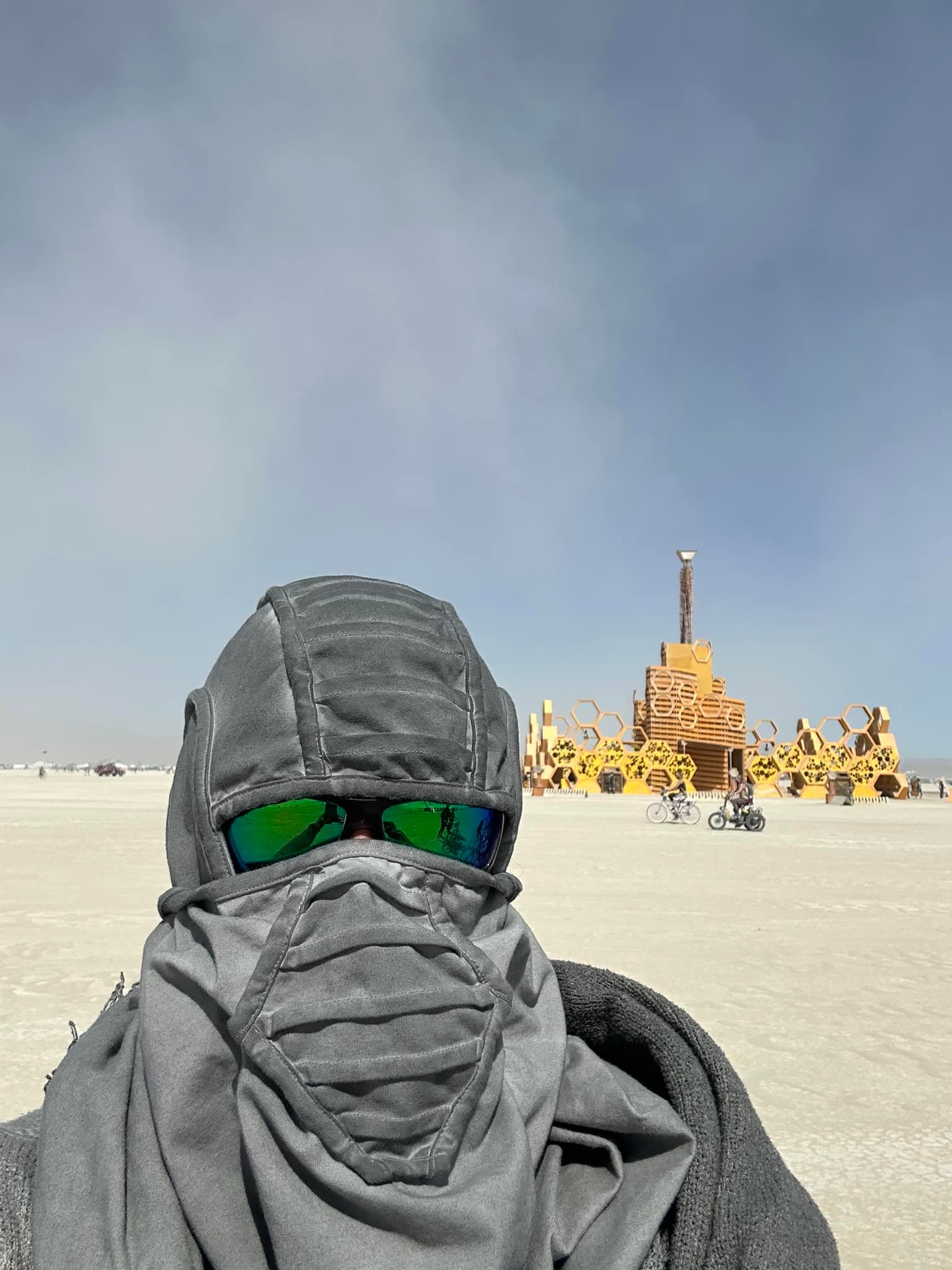
I had known about Burning Man for years. For several seasons I had joined side events: our camp built an art sauna out in the desert. But that year I wasn’t planning to go anywhere. We were living with my wife and our newborn son in a cozy house outside Buenos Aires, running our business and enjoying a calm, steady life.
And then a message popped up in a friends’ chat: someone was selling Burning Man tickets for the day after tomorrow. I stared at the screen, realized this might be my only chance, and of course I grabbed three plane tickets for that very evening.
“What? We’re flying in four hours?” my wife asked.
But this wasn’t our first spontaneous trip, and she quickly agreed. We each packed a tiny carry‑on, threw in our favorite Burner costumes (“you should always know where your Burner costume is”, D. Adams), and headed for the airport. Evening Buenos Aires blurred by outside the taxi window, we raced through traffic, barely made our flight, sprinted through security, collapsed into our seats, and that’s when it hit me: I am flying to Burning Man.
On the plane I opened a list from my friend, the legendary “list of things you absolutely must bring.” Around a hundred items, some of them bizarre. Nasal spray. Dust masks. A bicycle. I scrolled through and realized: not a single one of these things was in our luggage. And it was far too late to change anything.
We landed, rented a Jeep, grabbed coffee by the San Francisco bridge and entered straight to Walmart.
After an hour I was starving. After two hours I wanted a divorce. After three, a friend dropped me a message: “Hey, can you bring another twenty bikes for the camp?” Five hours in, our son spiked a fever, and it became clear I’d be driving to the desert alone.
We crammed everything into the car. Stopped in a McDonald’s parking lot to unpack boxes and ditch extra packaging. Obviously there are no trash bins in the desert. I left my wife and son at a hotel in Rino, and at exactly midnight I drove through the gate. That was the start of an adventure I’ll never forget.
Now, for anyone crazy enough to try something like this here’s how to do it properly. To pull off a spontaneous Burning Man trip, you need two things:
- a remote assistant
- a friend in San Francisco
The step‑by‑step plan:
1. Buy your plane ticket
2. Your assistant orders all one hundred items from the list on Amazon Prime, shipping them to your friend’s address.
3. You land in the US, your stuff is already waiting in the garage, you pack in a couple of hours, and you’re off to the desert. That’s it. You’re magnificent.
See you on the playa this year?
P.S. To this day, I still get a nervous twitch when I see bicycles in a supermarket. And yes, this was 2023, the very year when, two days after I arrived, the entire desert flooded. But that’s another story.
-
Burford vs. Argentina: The $16B Legal Battle over YPF
YPF’s Nationalization: Where It All Began
This story deserves a movie. And like all great dramas, it starts with national pride and ends at the doors of a U.S. courthouse.
In 2012, President Cristina Kirchner’s government nationalized the oil company YPF. Argentina bought the controlling stake from Spain’s Repsol—but conveniently “forgot” about other shareholders, particularly the Petersen Group, linked to the Eskenazi family. Losing the chance to sell their 25% stake, they didn’t fight alone.
Burford Capital: When Lawsuits Become Investments
Enter Burford Capital—a litigation finance firm that invests in lawsuits. In 2015, it bought the claims from Petersen and Eton Park, hired lawyers, and launched a legal battle against Argentina in New York. After 10 years, the court ruled in their favor: Argentina had violated shareholder rights. The damages? $16.1 billion.
The Verdict: $16 Billion and 51% of YPF
Today, a federal judge in Manhattan ordered Argentina to hand over 51% of YPF shares to comply with the ruling. Those shares are valued at $6–8 billion. And if Argentina doesn’t hand them over voluntarily? Burford and the court are ready to act—the shares are held in a U.S. depository.
A Legal Thriller with Global Stakes
YPF shares dropped 6%. Burford’s surged 22%. A perfect example of legal strategy turned hedge fund tactic.
This isn’t just about fairness. It’s a reminder: not even sovereign states are immune to commercial law—especially when their assets are parked in New York.
And yes, if Netflix turned this into a series, it would have it all—oil, politics, Wall Street lawyers, an aging Argentine dynasty, a judge in a black robe, and headlines worth billions.
-
How a Missed Flight Led to a Nine-Month World Trip
When Plans Fall Apart—and That’s the Best Thing That Could Happen
I was headed to a regular, no-frills blockchain conference. Tickets to Tallinn—booked. Slides—polished. Pitch—rehearsed. Even the startup T-shirt was freshly washed for the first time in months.
But that morning, everything went off-script. Alarm didn’t go off. Elevator broke. The taxi got stuck in traffic. And there I was, suitcase in hand, staring at a closed check-in counter, feeling like an idiot. The only thought in my head: “That’s it—no conference, no investors, no rooftop coworking coffee.”
A Coffee Instead of a Conference
And then something strange happened: I didn’t rebook. I didn’t text frantic apologies. I just walked into the nearest café and thought: what if… I didn’t go back?
That’s how my first plan-free, open-ended world trip began. I just followed the warmth, low prices, and decent Wi-Fi.
Wine, Khachapuri, and the Art of Doing Nothing (Temporarily)
First stop: Georgia. I drank wine, ate khachapuri, and told myself this was a short break. Just a week or two. Then came Japan, Singapore, Colombia. A “week” turned into nine months.
The Suitcase Full of Slides—and a Life Left Behind
I carried the same suitcase everywhere—with a folder of printed slides from the talk. Just in case I needed to remember the idea. I opened it once in Mumbai, again in Sydney. Then closed it. Life kept distracting me.
From Freedom to Fake Structure: Addicted to Planning
At first, I wanted to feel free—no deadlines, no meetings, no hustle. But I quickly realized I was uncomfortable without a schedule. So I started building one from scratch. In Quito, I gave myself a Spanish sprint. In Lima, I researched scooter rentals. In Goa, I woke at 6 a.m. to structure my trip in Notion. Ridiculous? Yes. But I was obsessing even over rest.
Same Hustle, New Time Zones
I carried old code. As if I was still playing the same game—just from a different time zone. Every new place, first thing I did was look for a place to work. Coworking, coffee, Zoom sessions. Told myself I was just remote. Truth was, I was scared to stop. To really stop—and ask, “Who am I without this endless hustle?”
The Turning Point: A Village in Chile, No Laptop
The peak came in a remote Chilean village. Someone stole my laptop. My mission control—gone. I sat wrapped in a blanket, staring out the window, trying to remember why I even started traveling. When did this stop being joy and turn into just moving the same story around new backdrops?
The Journey Ends Where It Matters Most
I opened the suitcase—and there it was, like a scene from a movie: the startup T-shirt. Clean, folded, never worn. A little artifact from my old self. Funny, sweet, completely out of place.
That’s how I’d been carrying my old self this whole time. With all the same goals, worries, drive to “achieve.” I realized it doesn’t matter if you’re on a call with investors or in a tent on a beach—if you don’t shift internally, you're just dragging the same baggage across different countries.
The world trip didn’t end in Bali, or LA, or under the Eiffel Tower. It ended inside. The first time I allowed myself to just do nothing. No plans. No purpose. Just… be.
And that folder with the slides? Still in the suitcase. But now it’s a reminder that I can choose to be someone else—whenever I want.
-

Thinking About Emigrating? Now’s the Time
So, When Are You Emigrating?
Time’s ticking. Not your personal clock—the global one. One day they're calling in tech workers, the next they're hiking taxes or sealing borders.
“No money”? Emigrate first, figure it out later
No money? So what. Emigrate now, solve it later. If you were given citizenship, you'll find a way to get permanent residency. The key is to jump. You’ll learn to swim once you’re in the water.
“I don’t want to leave”? Be honest—you do
“I don’t want to leave”? Stop lying to yourself. You do. You're just scared. And that’s normal. Everyone’s scared. Then suddenly you're haggling in Guarani with your plumber.
Leave before it’s too late
You need to go while you still can—while your brain works, your legs walk, and bureaucracy hasn’t strangled you yet.
Yes, moving is hard. But freedom hides behind the fear
Yes, moving is stress. Life is pain. All of that. But sometimes behind the stress is joy. Freedom. The real you.
Still waiting for a sign? This is it
Jackie Chan had already moved through three countries by your age. And you’re still waiting for a sign? Here it is.
-
Bezos, Taxes, and Venice: Protesters Miss the Point
Venice Protests: Bezos Rents a City, Activists React
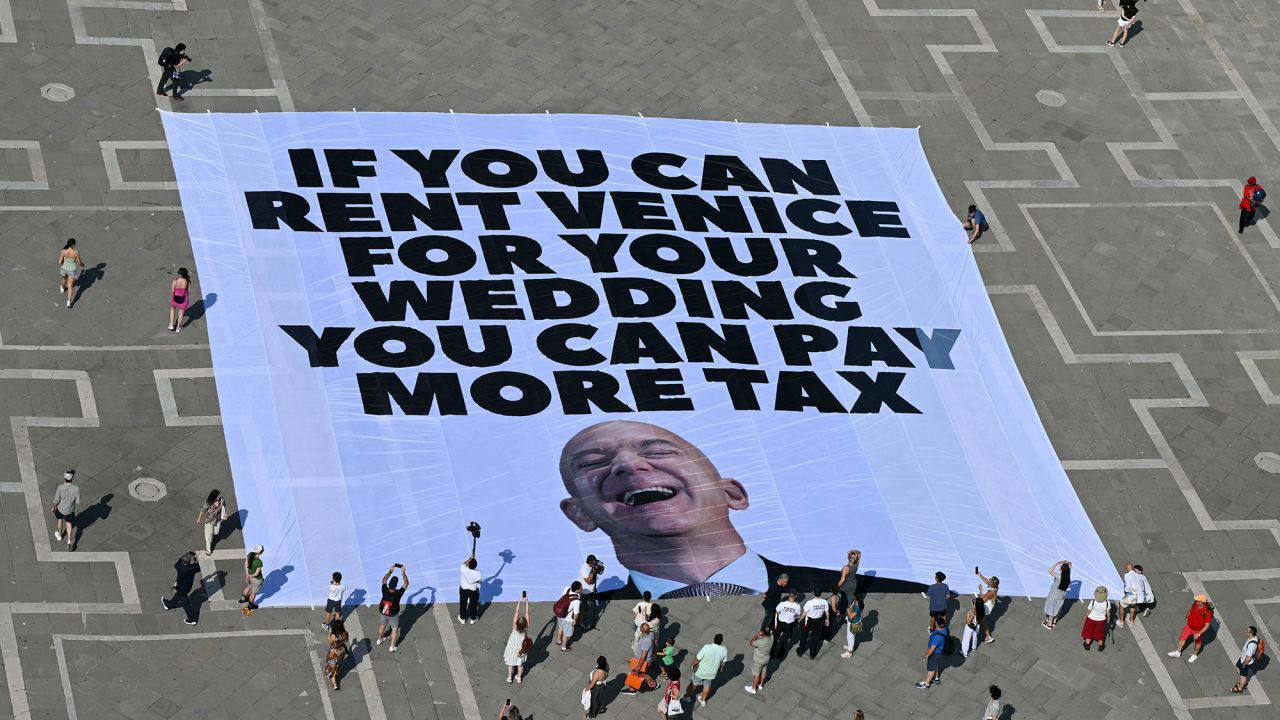
n Venice, protests erupted after Jeff Bezos reportedly rented out large parts of the city for his wedding. Italian Greenpeace took to the streets with signs reading: "If you can rent Venice, you can pay more tax." But the real question is: does he actually pay less?
How Billionaires Like Bezos Minimize Their Taxes
And how?
1. A Symbolic Salary, Wealth in Stocks
Bezos officially earns a modest annual salary (around $80,000). But his real wealth lies in Amazon stock. These shares increase in value over time, but that growth isn’t taxed until he sells them—which he rarely does.
2. Loans Against Stock: Spending Without Selling
Instead of cashing out stocks, Bezos borrows against them. These loans aren’t taxed because they aren’t considered income. He can fund his lifestyle without triggering a taxable event.
3. Moving States to Cut Taxes
In early 2024, Bezos relocated from Washington (which introduced a 7% capital gains tax) to Florida—a state with no income or capital gains tax. This move likely saved him $400–600 million during stock sales.
4. Philanthropy as a Tax Strategy
Bezos donates billions through entities like the Bezos Earth Fund and various trusts. These donations reduce his taxable base while boosting his public image.
5. Family Offices and Trust Structures
His family office, Bezos Expeditions, manages personal investments and uses trusts for estate planning and tax optimization—common tools for preserving ultra-high-net-worth wealth.
Capitalism, Clearly Explained
Bezos follows a classic ultra-wealthy playbook: keep wealth in appreciating assets, avoid taxable events, live in tax-friendly states, donate strategically, and plan legacy through trusts. Meanwhile, protesters chant in the streets rather than try to understand the mechanisms of capitalism or find ways to improve their own financial situation.
The Wedding Was Moved—But Taxes? Unchanged.
Eventually, the wedding location was shifted due to the protests.
But did that result in more taxes paid? Of course not.
So was this a win for protesters—or just noise, as usual?
-
Why Being a "Nice Guy" Doesn’t Work
Stop Being So Nice — It’s Not Helping
I used to think that being polite, helpful, and always doing the right thing would get me everything — love, success, recognition. Spoiler: it doesn’t.
Then I read No More Mr. Nice Guy — and something clicked.
That book hits like a slap in the face for anyone who built their personality around people-pleasing. Anyone afraid of conflict, who puts others’ needs first, who silently hopes the world will reward them for being nice. It won’t.What Glover Makes Crystal Clear
Glover breaks it down like this:
— Being “nice” isn’t kindness — it’s fear
— Suppressing anger, ambition, and desire doesn’t make you good — just convenient
— And no one respects the convenient. They use them. They avoid them.
— Women aren’t attracted to them, friends don’t listen to them. Their voice fades out.The Core Insight
Here’s the core insight:
If you're always trying to be the “good guy,” you’ve already betrayed yourself.After this book, you start getting your spine back.
You start saying “no.”
Doing what you want.
Living with a sense of inner strength, not inner debt.The world doesn’t need another nice guy.
The world needs real men.
Solid. Honest. Anchored. -

Portugal Doubles Citizenship Wait to 10 Years
Portugal Just Made Citizenship Much Harder
Every week, another country seems to mess up its citizenship laws. This time, it’s Portugal.
The government has proposed increasing the residency period required to apply for a passport from 5 to 10 years. For citizens of Portuguese-speaking countries, there's a "discount"—just 7 years. Technically, it’s still a proposal, but with backing from the far-right Chega party, it’s all but guaranteed to pass. Sad but true.
The Global Trend: Longer, Harder, Less Accessible
It’s becoming the theme of the year: extend the timelines, complicate the rules, and ask—do you even need citizenship?
The U.S. has cracked down on undocumented immigrants, Argentina stopped automatically granting citizenship to parents of newborns, and now Portugal. Who’s next?
Why Waiting Is a Bad Strategy
I’ve always said: sitting on a residence permit hoping for better times is a terrible plan. The world changes fast. Today you think, “five years—no problem, I’ve got time.” Tomorrow, the rules change. And just like that—goodbye.
Faster EU Options Still Exist
Thankfully, a few EU countries still offer quicker paths to a passport. Want advice on where to go for a faster route to citizenship?
Message me. -
The Business Card That Changed Everything
A Café, a Coffee, and That Feeling of Stuck
Late '90s. Autumn. I’m sitting in some depressing café with plastic chairs, sipping an Americano and nibbling a cheesecake—because that’s all I can afford, and the coffee is non-negotiable.
It was that kind of time—when life felt like it was buffering. No clear plan. Work was annoying. The city weighed on me. I felt like I was stuck between “still young” and “why hasn’t anything worked out yet?”
The Startup Table and the Forgotten Card
In the corner, a lively group. One guy pulls out a laptop! Shows something to the others. I catch a few words—startup, demo, pitch, angel investors. These words sounded like a spaceship to me at the time. I wasn’t from that world. I was from the world where PowerPoint took 20 minutes to load, and “project” usually meant something my boss made up again.
A few minutes later, they leave. But one of them forgets his business card on the table.
The Email That Wasn’t a Resume
I hesitate for a second. Then I take it. Then I sit there another 15 minutes, just turning it in my fingers.
Then I write an email:“Hey. I overheard you. I can do this, I’m curious about that, I know a bit of this. If you need someone—I’m around.”
And I hit send.It wasn’t a resume. It was a jump.
One of those jumps that begins with: “Well… why the hell not?”A Different Life from One Message
Three days later, they replied.
A week later, I was in their new office talking marketing and building presentations that actually loaded.
Another week later, I got paid—not for hours worked, but for results delivered. A first.I still think about that café sometimes. About that business card. About how everything would’ve gone a different way if I’d just finished my coffee and walked home.
Sometimes fate hands you a business card.
More often, you just have to ask yourself:
Why the hell not?
And jump. -
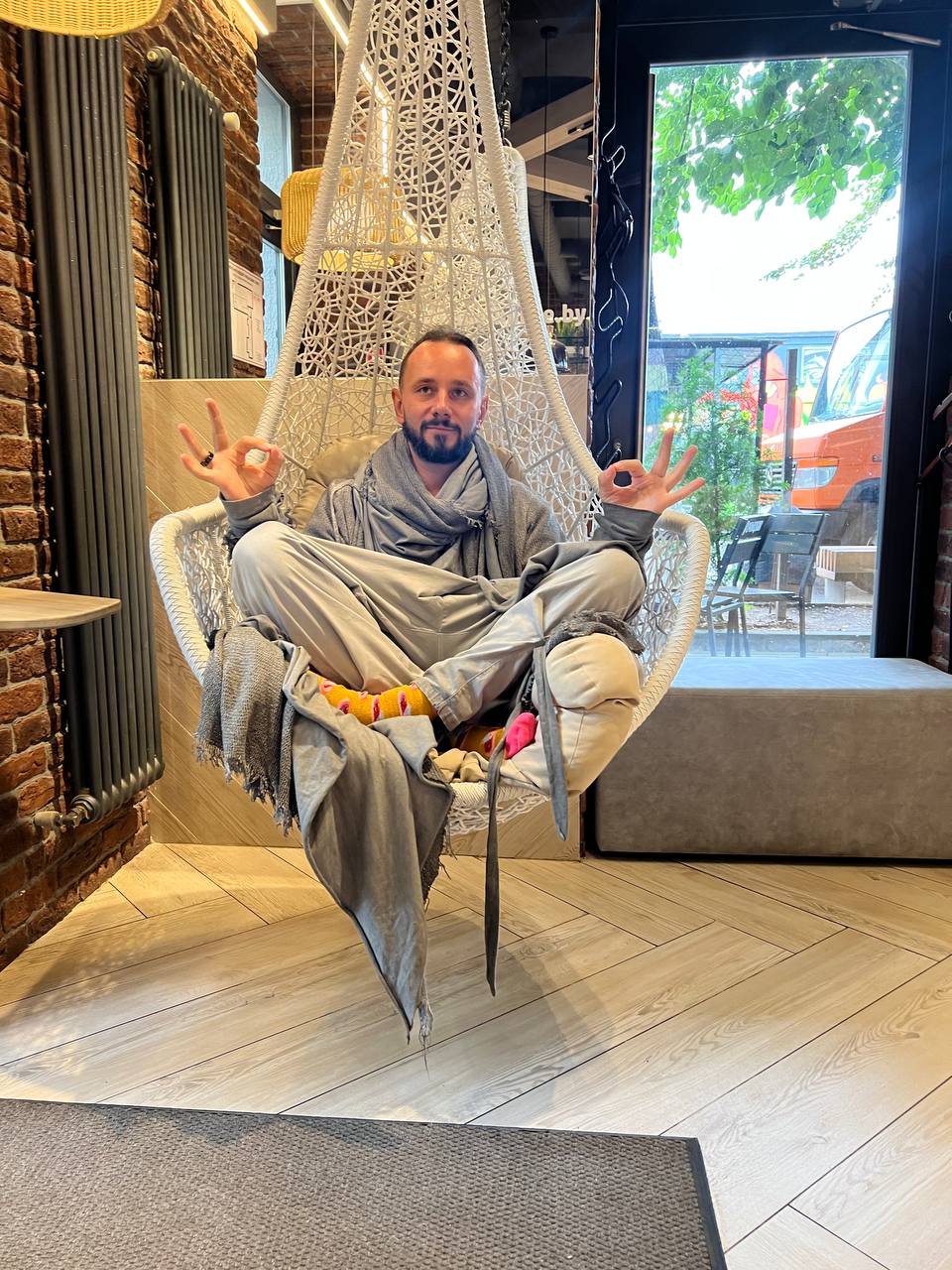
Minsk Is Like an Interrogation With Charm
Minsk Pulled Me In Like a Vortex
Minsk sucked me in like an old toilet whirlpool—suddenly, coldly, and without much hope of resurfacing clean. I came from Lithuania, straight out of a quiet seaside village into a capital where women are beautiful like state crimes, and the weather feels like a polite interrogation.
The Border Guard Who Knew Things
At the border, a guard approached me with the face of someone convinced I personally burned down his garage. He asked why I was coming. I said, honestly: “Just visiting.” He, honestly, didn’t believe me. He stared at my passport, stared at me, like he was trying to recall if I bullied him in childhood. He let me through. No smile. I think he gave up.
Even “Exit to City” Feels Ominous Here
I stepped off the train in Minsk and immediately felt the weight. Even signs like “Exit to city” sound like sentences. The city is clean, flat, and slightly artificial. Like it was built two days ago based on blueprints from 1983.
War, Jelly Candy, and a Woman Without Emotion
I rented an apartment in a building that smelled like war and marmalade. The host was a woman with a bone where most people have emotions. She showed me how to turn on the TV and left with a look that said, “You won’t be here long.” I poured some tea, sat on the windowsill, and watched Minsk through the glass like a zoo—except the animals were watching me back. We’re all temporary here, if you think about it.
Walking Through a Museum of Post-War Optimism
I walked the city like it was a museum of post-war optimism. Everything loomed above, making you feel small and vaguely guilty. The people weren’t grim, but they gave the impression they knew exactly where you were last night. I bought a hat that said “Belarus.” A reminder that warmth is a luxury, and jokes are best kept hidden.
Love, Suspicion, and Giant Potato Pancakes
I found a café serving potato pancakes the size of a toaster. The waitress gave me that look—part suspicion, part silent accusation, maybe even a dash of affection. She clearly thought I might be a spy. Still brought me sour cream. Respect.
Patriotism and the Guy in the “Abibas” Jacket
On Independence Avenue, I almost became a patriot. I wanted to stand tall, say “Yes, Batka!” and march on. In the metro, I saw a guy wearing an “Abibas” jacket with eyes like someone who’s just been asked, “Why are you alive?” I got him. We rode in silence to Lenin Square. He got off. I stayed. The rest felt like a novel without an ending.
Minsk Leaves a Mark
On the way back to Vilnius, I stared out the window. Minsk receded slowly—like an ex who you still kind of owe something.
And one thought kept circling my head:
— Nobody leaves Minsk the same. Some don’t leave at all.